Basal cell carcinoma is the most common type of skin cancer and the most frequently occurring form of all cancers. It typically occurs on sun-exposed areas such as the scalp,
Basal Cell Carcinoma
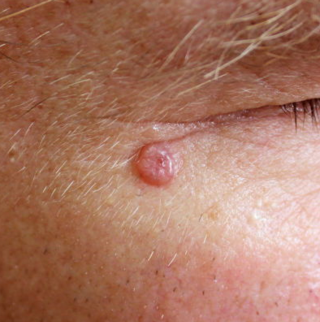

Basal cell carcinoma is the most common type of skin cancer and the most frequently occurring form of all cancers. It typically occurs on sun-exposed areas such as the scalp,
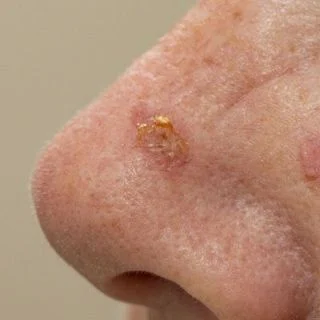
Actinic keratoses are precancerous growths on the skin caused by long term exposure to ultraviolet radiation, usually in the form of sunlight or tanning beds. They frequently appear on sun
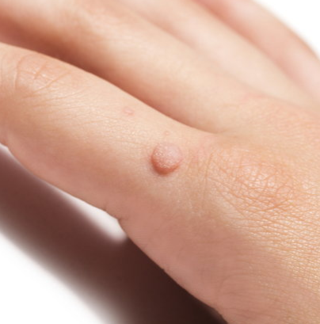
Warts are non-cancerous, benign growths on the skin that are caused by infection from viruses known as human papillomavirus (HPV). The most common type of warts include: common warts, plantar

Tinea versicolor, also called pityriasis versicolor, is a common skin infection caused by the overgrowth of a yeast. Typically, it presents as patchy areas of lighter or darker discoloration on
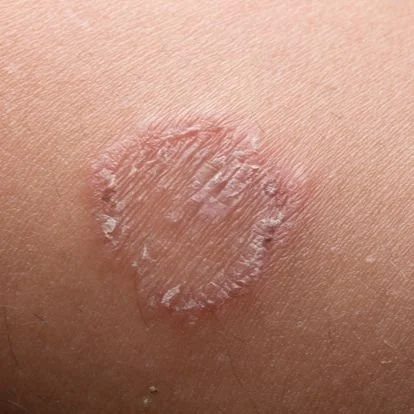
Tinea refers to a group of fungal infections which can affect the skin, hair, and nails. The specific name of the infection depends on the affected area of the body.
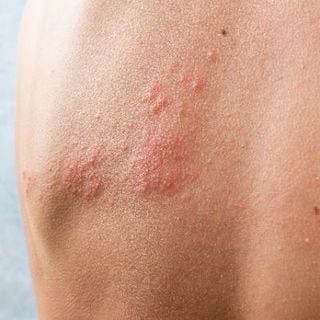
Shingles is a rash caused by the reactivation of the chickenpox virus (also known as the varicella zoster virus or VZV). Classically, the rash affects only one side of the
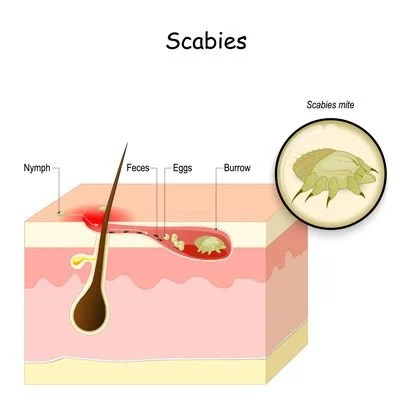
Scabies is an intensely itchy rash caused by an infestation with a burrowing mite called Sarcoptes scabiei. Infected individuals develop pink papules, excoriations, nodules, and burrows (thread like tracks in
A cold sore is a blister or a cluster of blisters that typically form on or around the lips and mouth. Affected people can experience recurrent bouts of blister outbreaks,
Continue ReadingOral Herpes (Herpes Simplex Labialis, Cold Sores, Fever Blisters)
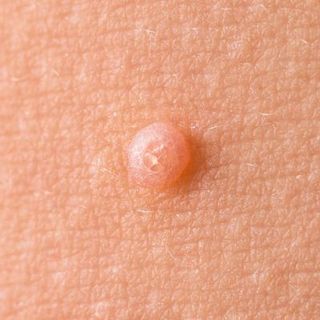
Molluscum, or molluscum contagiosum, is a common viral skin infection caused by the molluscum contagiosum virus (MCV). This benign condition typically presents with pink, round bumps with a central indentation.
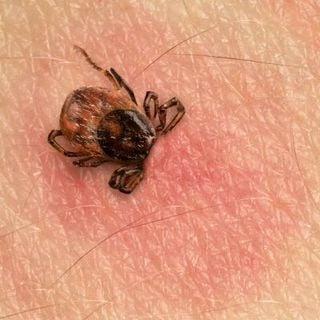
Lyme disease is a tick-borne illness caused by the bacteria Borrelia burgdorferi. It is transmitted to humans through the bite of an infected tick (commonly the deer tick). Early symptoms